

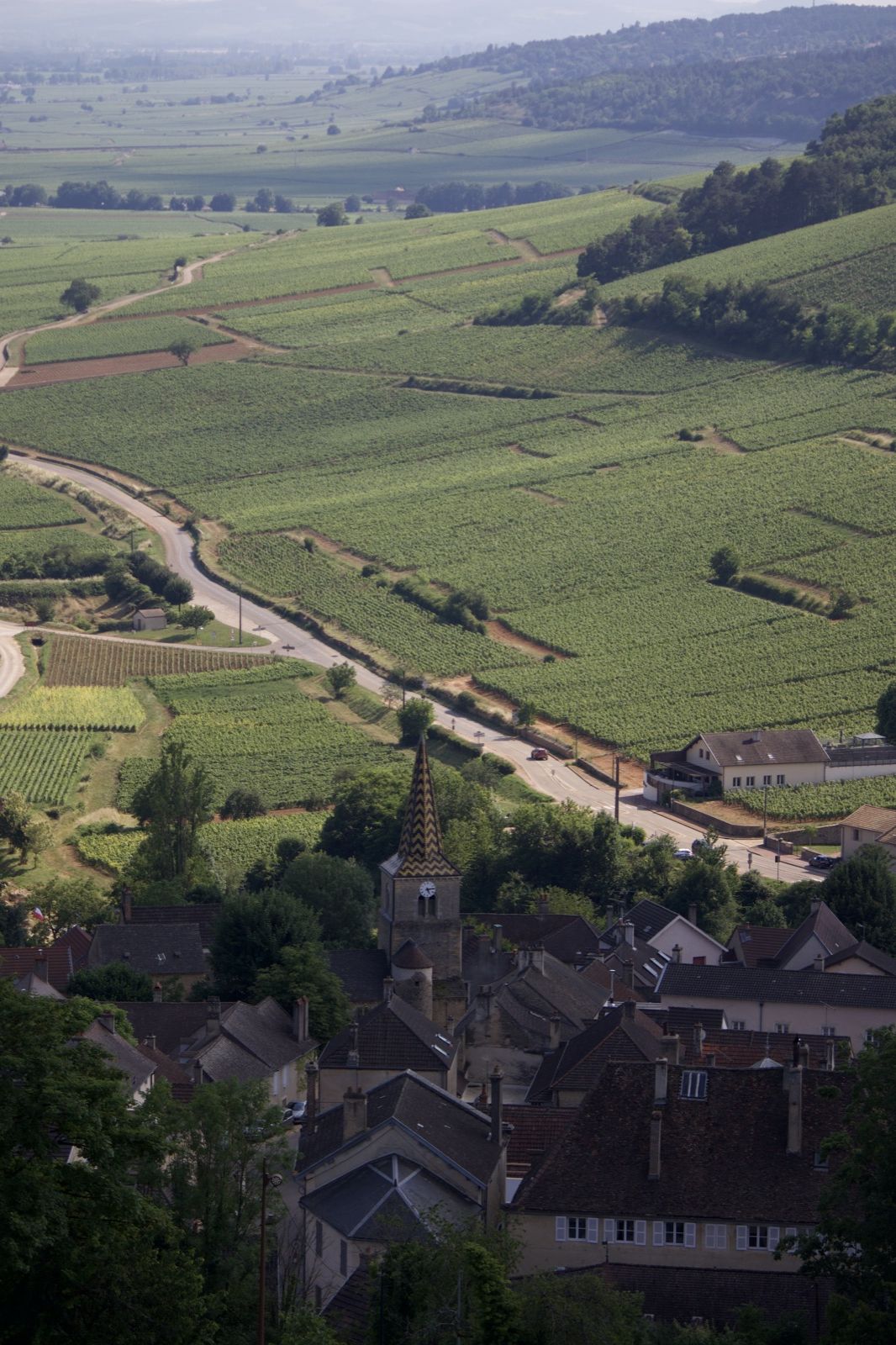
In Burgundy, a bottle's price and character depend first on the precise place where the vines grow. Four levels, from the broadest to the most precise, organise this landscape: regional appellations, Villages, Premiers Crus and Grands Crus.
The essentials
- The more precise the place, the rarer the wine: a Grand Cru is a single exceptional plot.
- The label tells you everything: village, 1er Cru or Grand Cru, name of the climat.
- A higher classification mainly promises more depth and ageing potential.
The Burgundy pyramid
84 appellations, four levels. The higher you go, the more precise the place and the smaller the production.
Share of Burgundy's production
Approximate figures, from the Bureau interprofessionnel des vins de Bourgogne (BIVB).
Level 1 of 4
Regional appellations
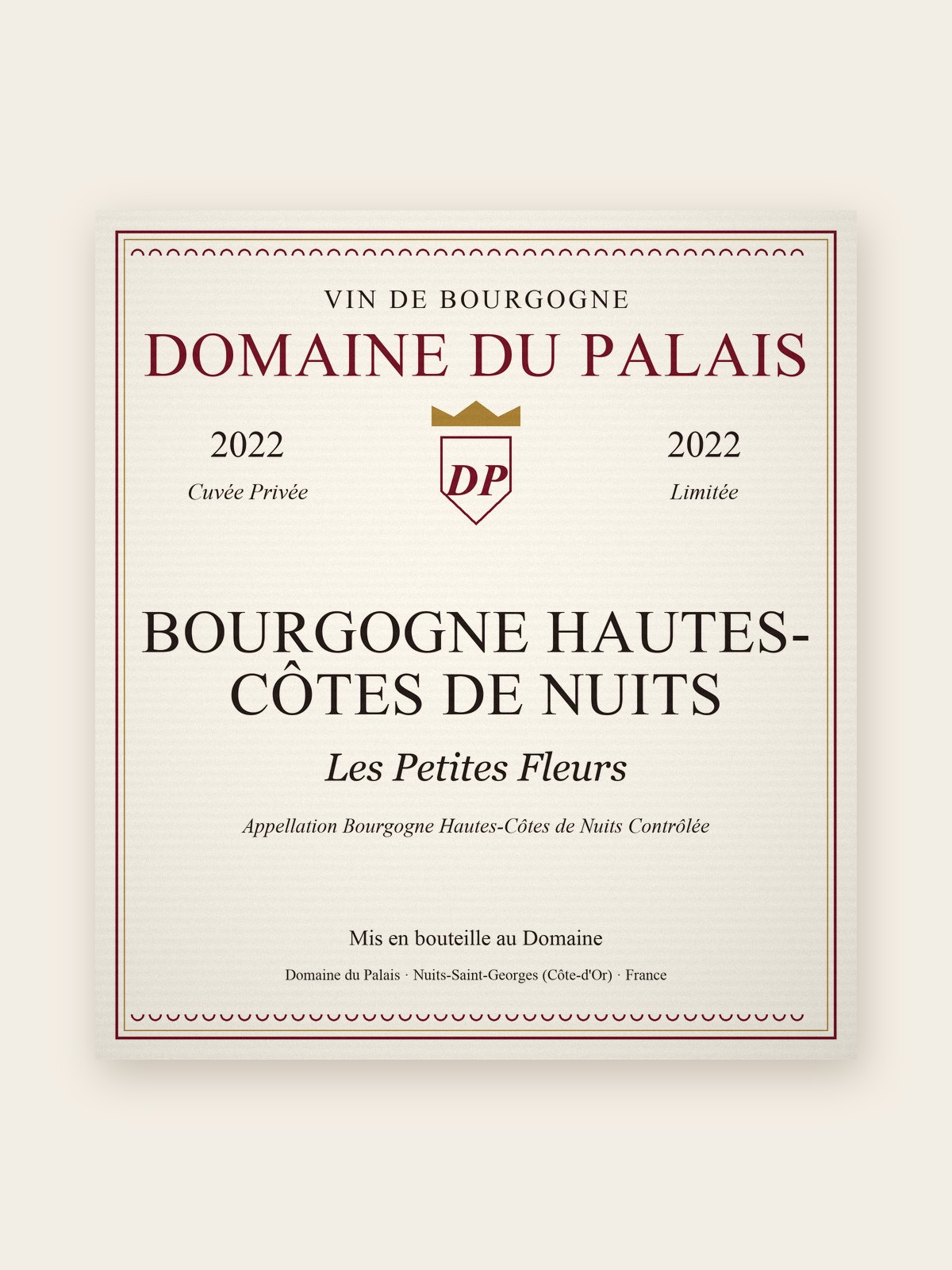
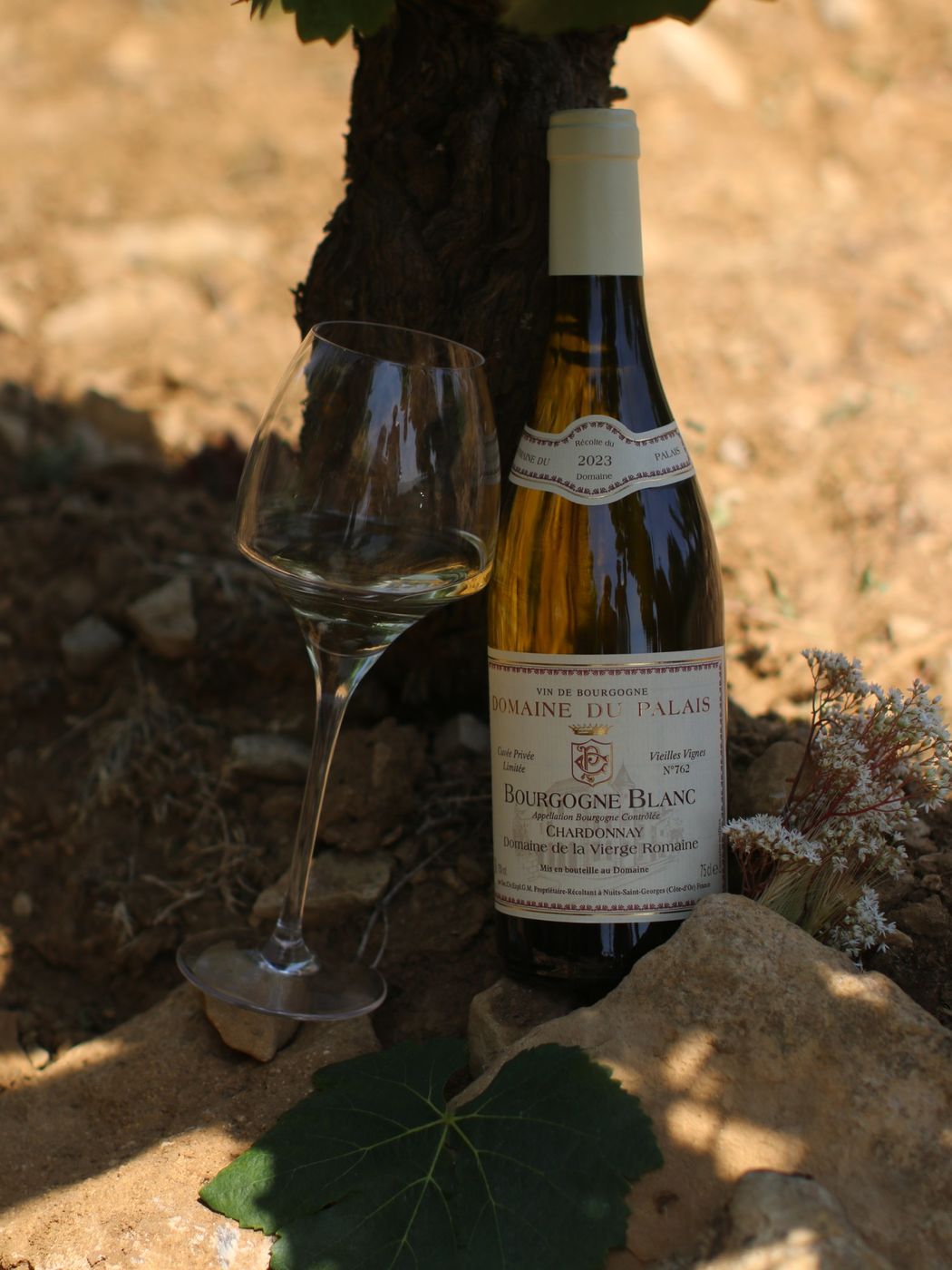
They cover all or a large part of Burgundy: Bourgogne, Coteaux Bourguignons, Bourgogne Hautes-Côtes de Nuits or de Beaune… The grapes can come from many villages.
This is the gateway to Burgundy: fruity, honest wines that drink early and suit everyday cooking. From a good producer, they already show the house style.
- In a word
- Fruit, simplicity, immediate pleasure.
- Typical ageing
- 2 to 5 years
- In our range
- 9 wines, from 19,90 € to 39,90 €
Level 2 of 4
Village appellations
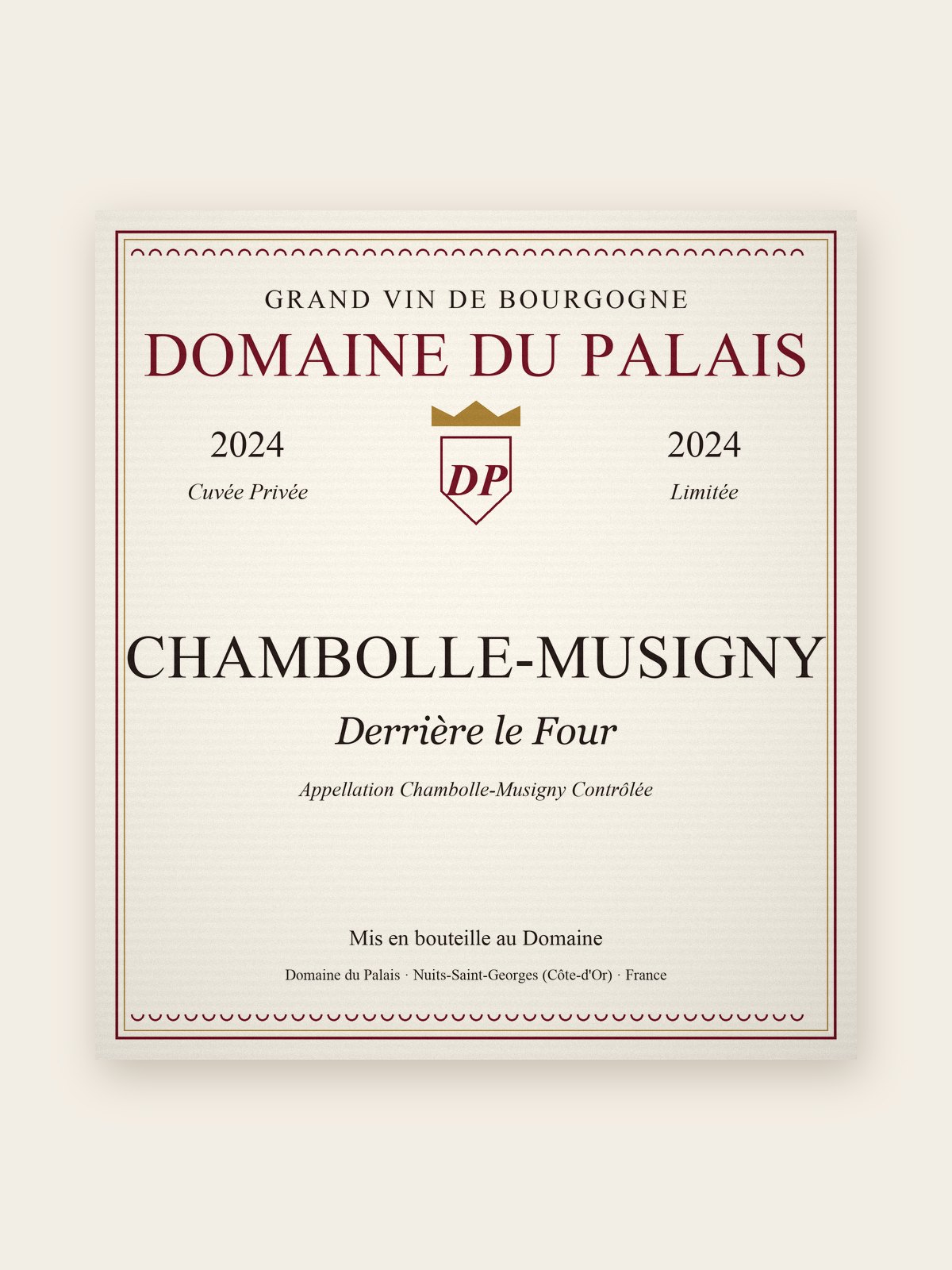
The wine bears the name of a single village: Gevrey-Chambertin, Chambolle-Musigny, Pommard, Puligny-Montrachet… It expresses that village's own character, its soil and its aspect.
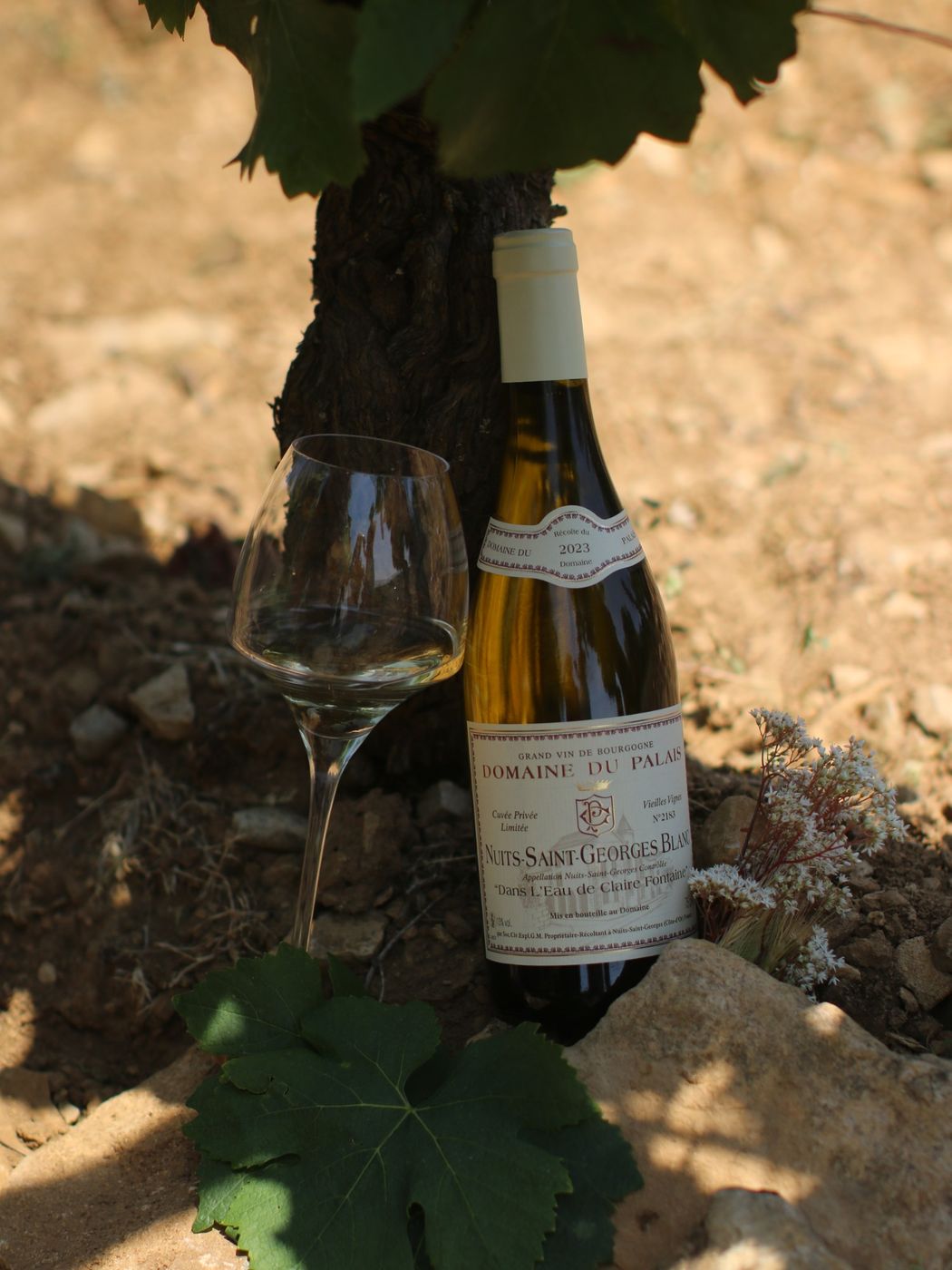
A Village bottle may also name the lieu-dit it comes from, like our Chambolle-Musigny « Derrière le Four ». This lieu-dit is not classified: its name is printed smaller than the village's.
- In a word
- The character of a village.
- Typical ageing
- 5 to 10 years
- In our range
- 28 wines, from 47,50 € to 179 €
Level 3 of 4
Premiers Crus
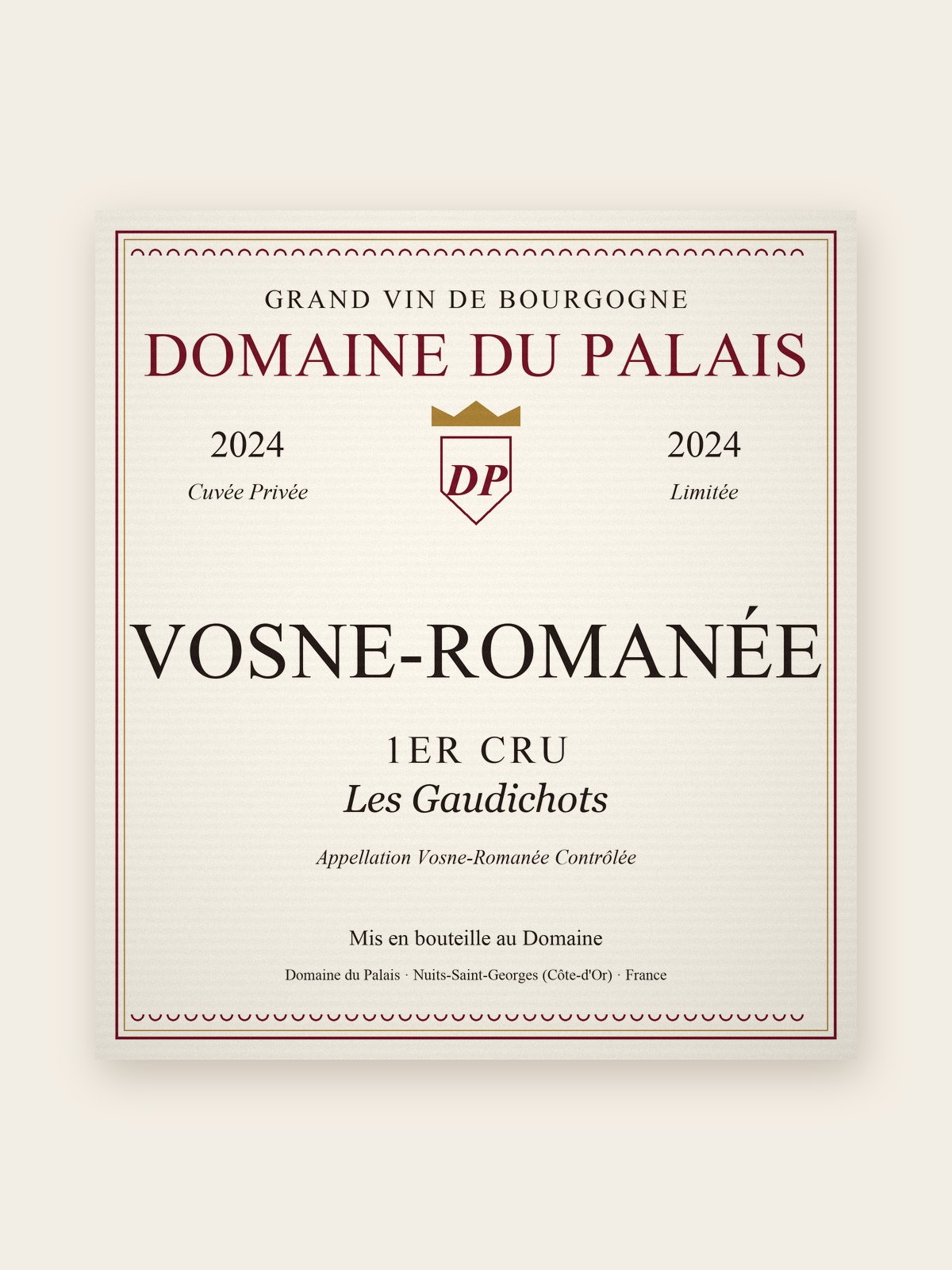
Within a village, certain plots have been recognised for their superior quality: these are the Premiers Crus. Burgundy has more than 600 of them.
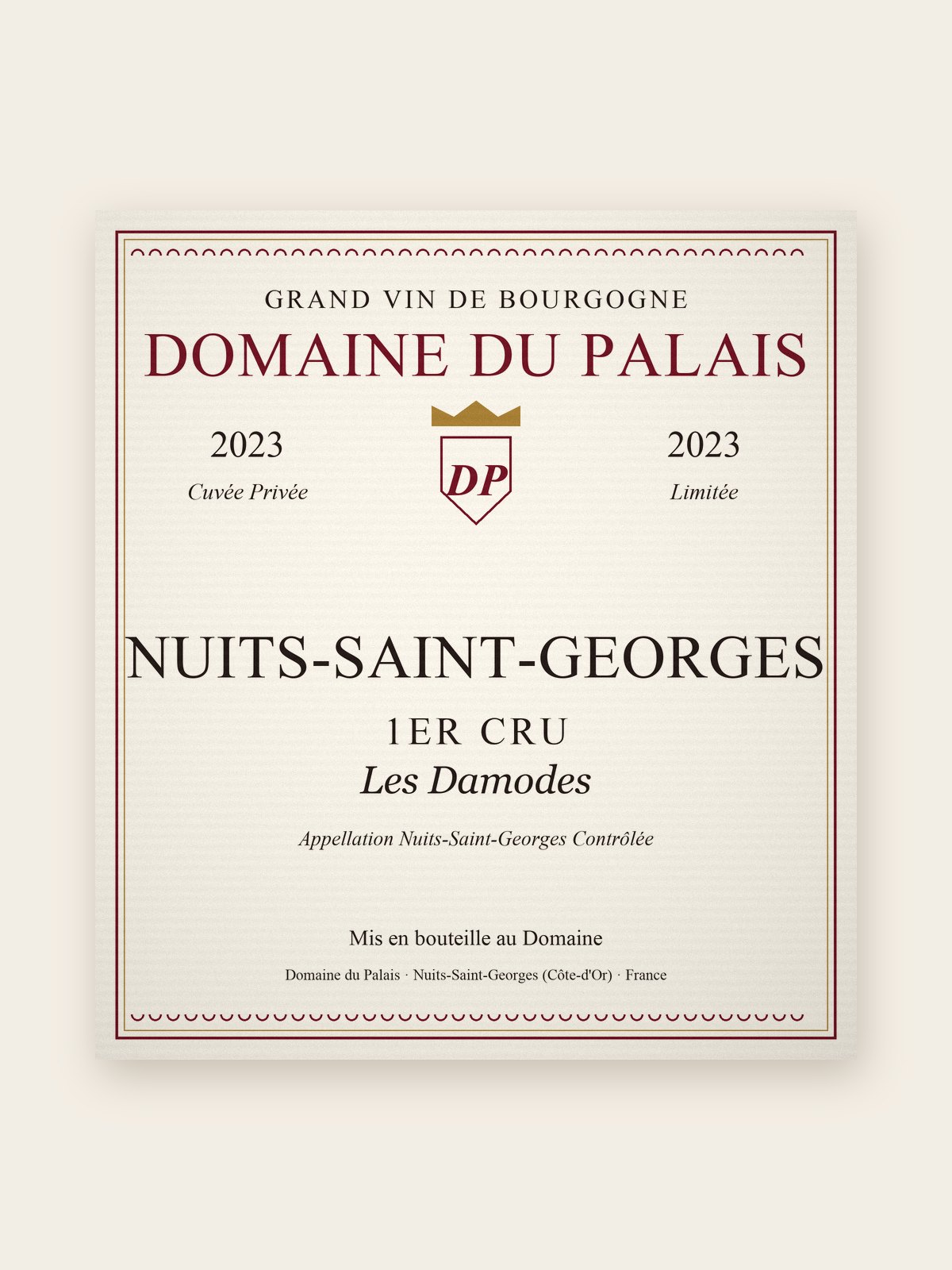
On the label, the village name is followed by « 1er Cru » and usually by the name of the climat: Nuits-Saint-Georges 1er Cru Les Damodes. More depth, more ageing potential: often the best balance of pleasure and price.
- In a word
- A recognised climat, more depth.
- Typical ageing
- 8 to 15 years
- In our range
- 14 wines, from 59,50 € to 290 €
Level 4 of 4
Grands Crus
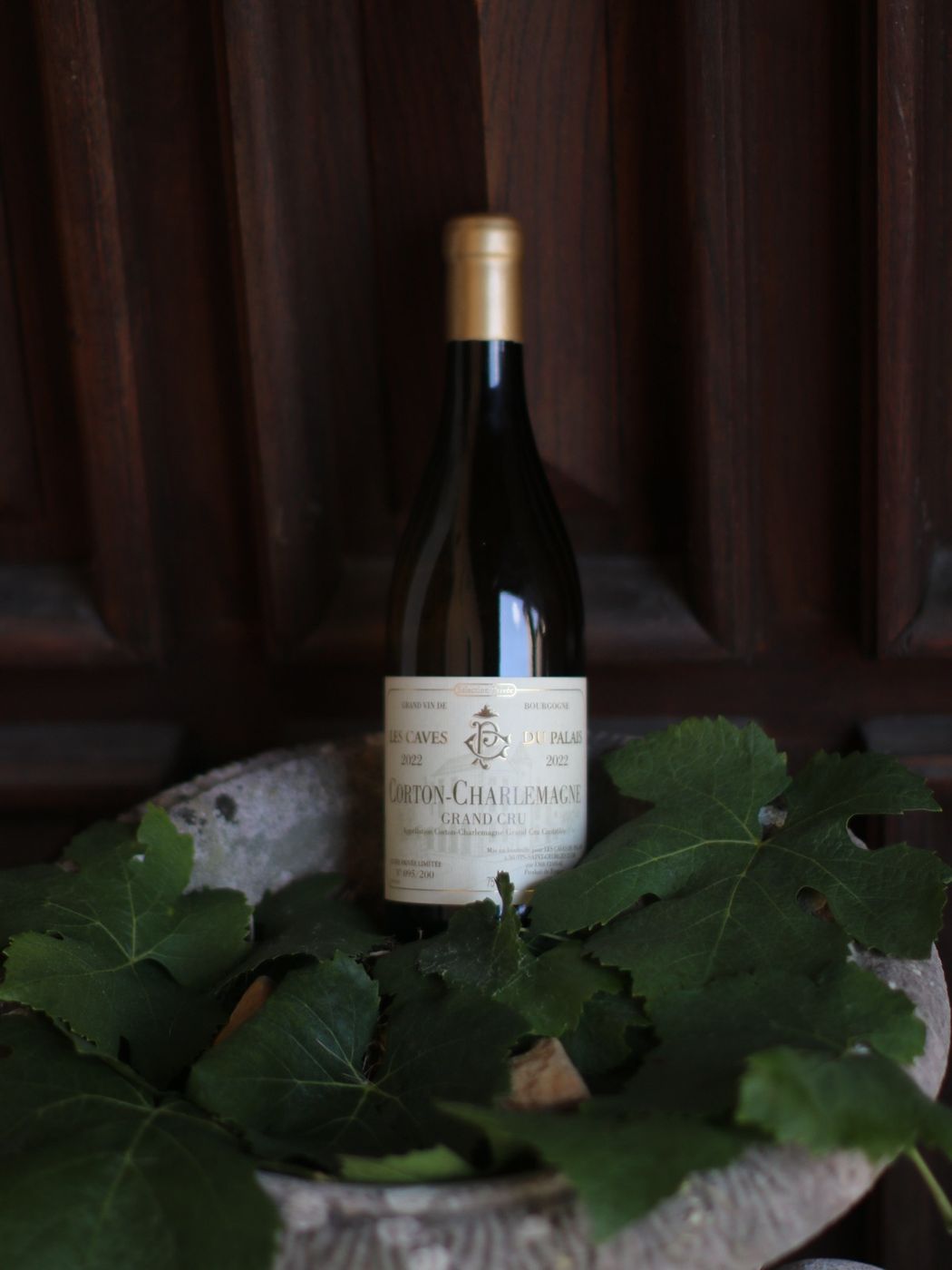
The top of the pyramid: 33 exceptional climats, barely 1% of production. Each is an appellation in its own right.
The village name disappears from the label: Clos de la Roche, Bonnes-Mares or Montrachet stand on their own. These are rare wines built for long ageing, which reveal themselves after several years in the cellar.
- In a word
- The summit: rarity and long ageing.
- Typical ageing
- 10 to 30 years and more
- In our range
- 11 wines, from 198 € to 790 €
From our range, for example
See our Grands Crus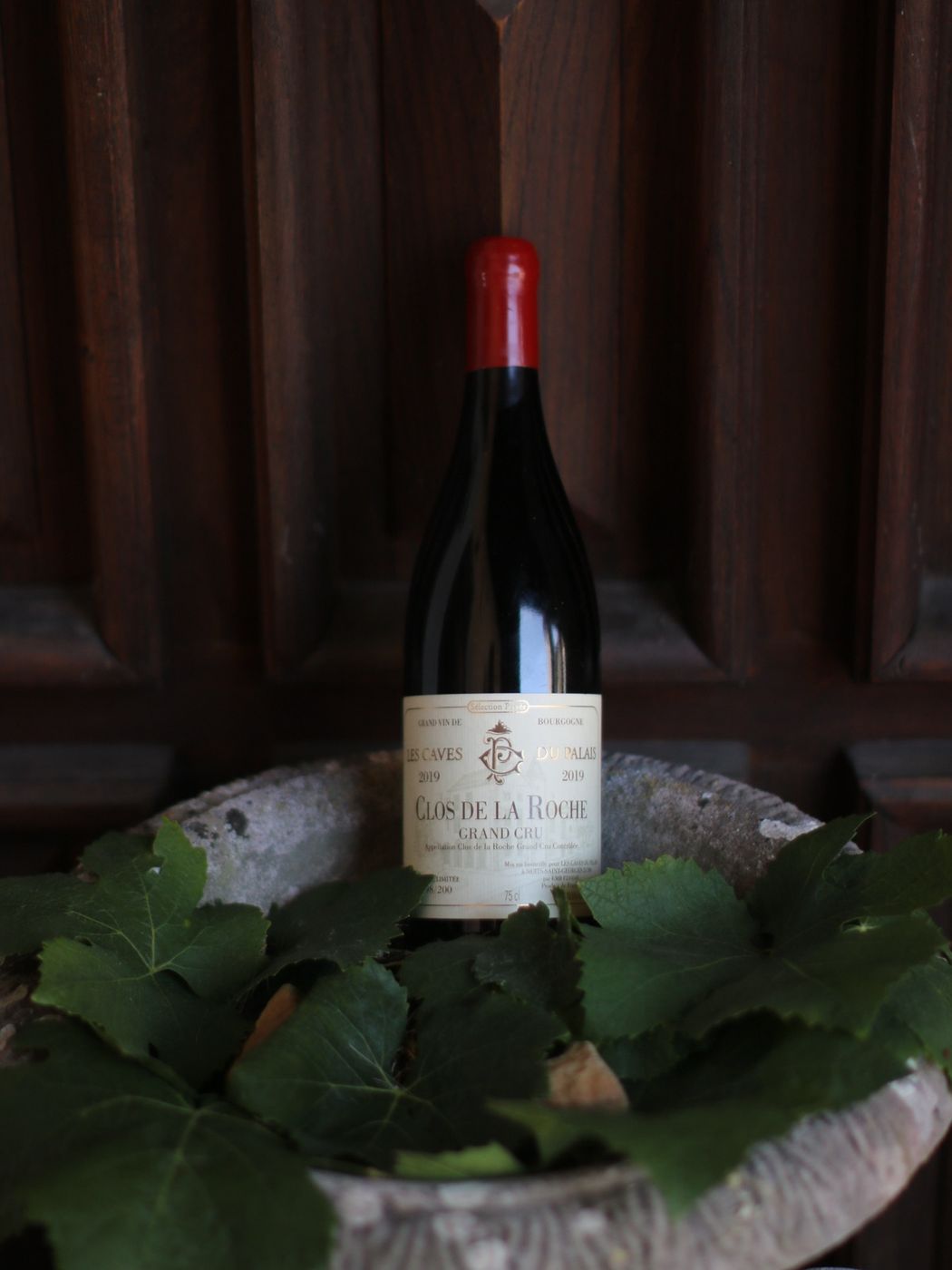
How to read a label
Four pieces of information are enough to place a bottle in the pyramid.
- 1The village
The village of origin. On a Grand Cru it disappears, leaving only the name of the climat.
- 2The classification
« Premier Cru » or « Grand Cru ». With no mention, it is a Village or a regional appellation.
- 3The climat
The precise plot the wine comes from, with its soil, its aspect and its history.
- 4The vintage
The harvest year: in Burgundy it shapes the character of the wine a great deal.
1247climats on the UNESCO World Heritage List since 2015
The climat, key to everything
In Burgundy, people speak not of a « plot » but of a « climat »: a precise place, named for centuries, whose soil and aspect give the wine its signature. It is the classification of these climats that makes a wine a Village, a Premier Cru or a Grand Cru.
In the 19th century, many villages added the name of their most famous climat to their own.
- 1847Gevrey-Chambertin
- 1862Aloxe-Corton
- 1866Vosne-Romanée
- 1878Chambolle-Musigny
- 1879Puligny-Montrachet
- 1892Nuits-Saint-Georges
- 1927Morey-Saint-Denis
At a glance
| Regional | Villages | Premiers Crus | Grands Crus | |
|---|---|---|---|---|
| The name refers to | A broad area | A village | A classified climat in a village | An exceptional climat |
| On the label | Bourgogne, Hautes-Côtes… | The village name | Village + 1er Cru + climat | The climat + Grand Cru |
| Number | 7 appellations | 44 appellations | Over 600 climats | 33 appellations |
| Share of production | ≈ 52 % | ≈ 37 % | ≈ 10 % | ≈ 1 % |
| Typical ageing | 2 to 5 years | 5 to 10 years | 8 to 15 years | 10 to 30 years and more |
| In our range | 9 wines · 19,90 € – 39,90 € | 28 wines · 47,50 € – 179 € | 14 wines · 59,50 € – 290 € | 11 wines · 198 € – 790 € |
Frequently asked questions
Another question? Ask us during your visit to the Caves du Palais.
Visit & TastingIs a Premier Cru always better than a Village?
Not necessarily. The classification describes a terroir's potential, not the success of a vintage. A fine Village from a great year can outshine a more modest Premier Cru. The classification remains an excellent guide to complexity and ageing potential.
Why doesn't the village name appear on a Grand Cru?
Each Grand Cru is an appellation in its own right. Its name is enough: Clos de la Roche, Bonnes-Mares or Corton-Charlemagne need no village.
What is a « climat »?
In Burgundy, a climat is a precisely delimited vineyard plot, with its own soil, aspect and history. The vineyard's 1,247 climats have been a UNESCO World Heritage Site since 2015.
What does a name in quotation marks on a Village wine mean?
It is often a lieu-dit, a plot not classified as Premier Cru, or the name of a cuvée. It specifies the wine's origin or style without changing its classification.
Which level should I choose as a gift?
For a wine lover, a Premier Cru from a famous village always delights. To mark a great occasion, or for a wine to lay down, a Grand Cru is the obvious choice. For a dinner with friends, a fine Village is often the best pick.